Book Summary:
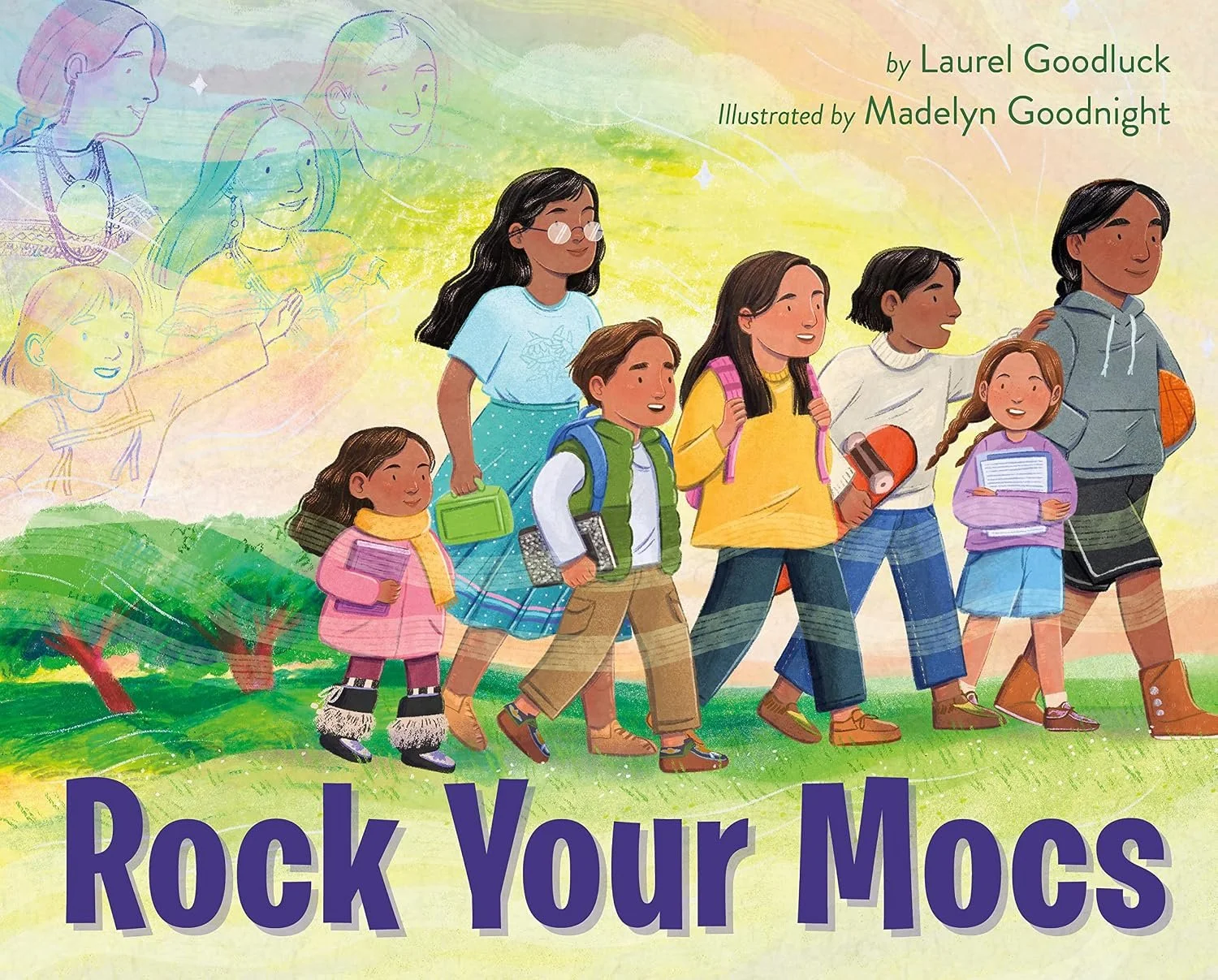
Rock Your Mocs celebrates Native identity, cultural pride, and connection to community through the tradition of wearing moccasins. The book introduces contemporary Native children from 12 different tribal Nations who wear their moccasins while dancing, playing, going to school, and participating in everyday activities. Through its representation of present-day Native communities, the book shows how moccasins represent family, culture, heritage, and identity while also reflecting the diversity of Indigenous communities. The text includes Native words and references to Indigenous languages, highlighting language as another important expression of cultural identity. The author’s note provides additional information about the origins of Rock Your Mocs Day, celebrated on November 15, the cultural significance of moccasins, and the diverse identities of Native children, including those who are intertribal or bicultural.
Recommended Questions:
What is Rock Your Mocs Day, and why might wearing moccasins be a meaningful way for Native people to celebrate their identities and connections to one another?
The book introduces children from 12 different Native Nations. What similarities and differences do you notice among their communities and traditions? Make a list of the Nations represented and locate them on a map. Choose two Nations to learn more about. How are their cultures and traditions similar and different?
Throughout the illustrations, we see many different styles, colors, and patterns of moccasins. Why might different Native Nations have their own unique moccasin designs? What do these differences tell us about the diversity among Indigenous communities?
Why is it important to recognize that Native Nations have distinct cultures rather than treating Indigenous people as one group? How does this book help you understand this?
The children in the book wear moccasins during everyday activities, such as jumping on a trampoline or going to school. How does this show that cultural traditions are a living part of contemporary life rather than something only from the past?
The book shows Native children “rocking their mocs” in different settings, from natural landscapes to city streets and neighborhoods. How does this challenge stereotypes about where Native people live and what contemporary Native communities look like?
The author’s note explains that some Native children identify with more than one tribal Nation or cultural background. How can people belong to more than one community or culture? How might these identities shape a person's experiences?
How do cultural traditions connect people to their families, communities, and ancestors? Why is it important for traditions to be shared and celebrated across generations
Rock Your Mocs Day welcomes non-Indigenous allies to show support in ways such as wearing turquoise ribbons or T-shirts. Why is it important for allies to show support for Indigenous communities while respecting that the celebration is rooted in Native identity and leadership?
NCSS Theme 1: Culture
Rock Your Mocs shows how cultural traditions, clothing, language, and artistic expression communicate identity and belonging. Through contemporary Native children from 12 different tribal Nations, students see how moccasins reflect cultural knowledge, family connections, and community traditions. The book also emphasizes that Indigenous cultures are diverse and continue to be practiced and celebrated today.
Social Justice Anchor Standard 10: Diversity in social, cultural, political and historical context
Rock Your Mocs demonstrates the diversity of Indigenous cultures, traditions, and identities through contemporary Native children from 12 different tribal Nations. The book encourages students to recognize that Native communities are not one homogeneous group and that each Nation has its own cultural traditions, languages, and ways of expressing identity. Through its representation of moccasins and everyday life, the book provides opportunities to explore how cultural traditions reflect both shared connections and important differences among Indigenous communities.
WA Geography 1: Understands the physical characteristics, cultural characteristics and location of places
The book introduces children from different Native Nations and provides opportunities to explore the diversity of Indigenous communities. Students can consider how cultural traditions, languages, and moccasin designs reflect distinct identities and connections to communities and places. It also challenges the idea that Native people belong to one single culture or share the same traditions.
Links to Related Primary and Secondary Resources
Interview with the founder of Rock your Mocs day, Jessica "Jaylyn" Atsye of Laguna Pueblo
Tomaquag Museum photos and explanation of moccasins
