Tamales for Christmas
Book Summary:
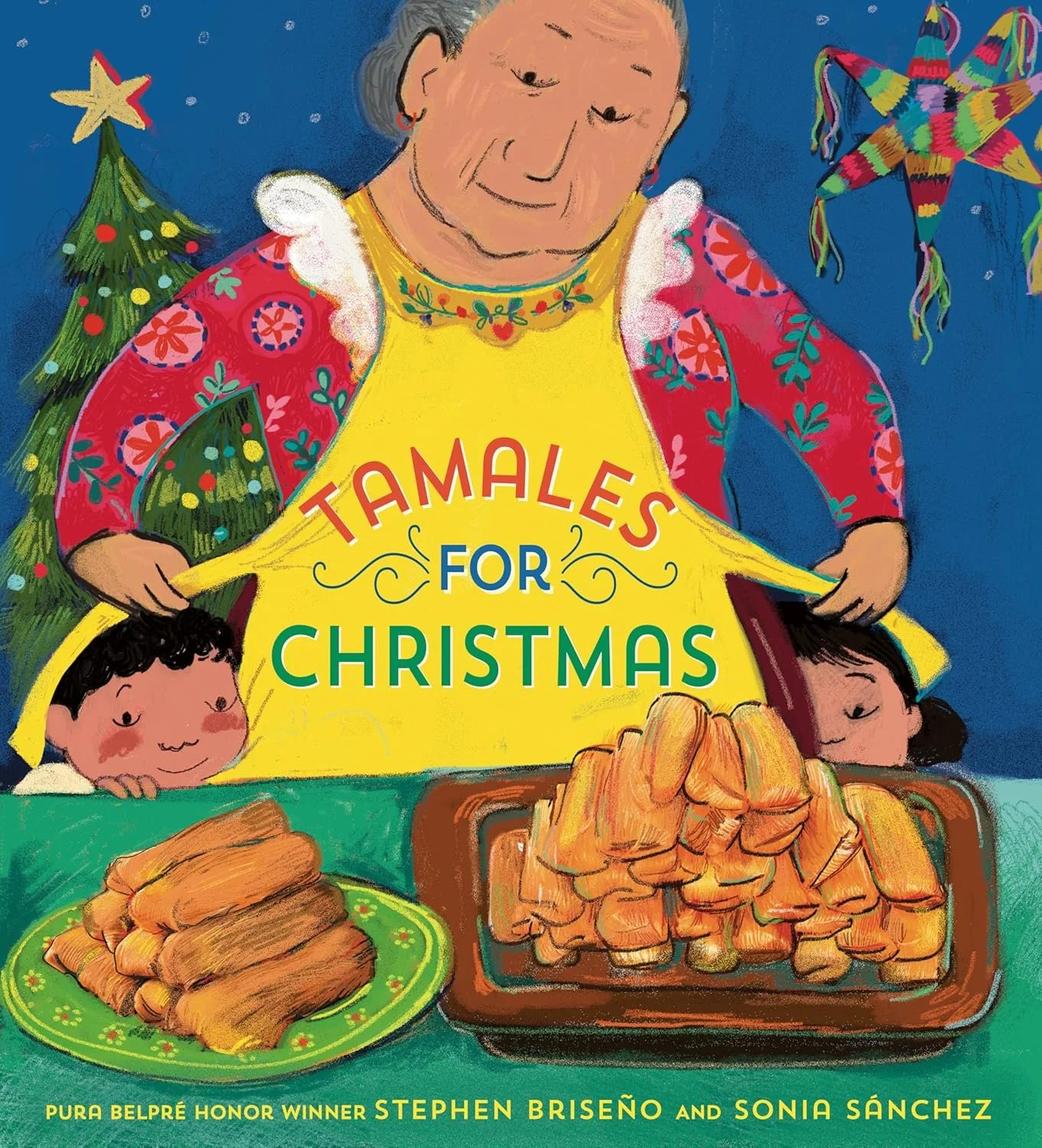
In Tamales for Christmas, a grandmother begins making tamales months before Christmas, carefully preparing masa, filling corn husks, and working long hours in her kitchen. She makes and sells more than 1,000 dozen tamales, using the money she earns to buy Christmas gifts for her large family and to share food with those in need. The story highlights how hard work, family support, and cultural traditions come together through entrepreneurship and generosity.
Recommended Questions:
How does Grandma show leadership throughout the story? In what ways does she guide her family, make decisions, and model hard work, generosity, and care for others?
Why is making tamales an important tradition for the family in the story? What does this tradition represent beyond the food itself?
How do different family members contribute to the tamale-making process? What does this show about cooperation, shared responsibility, and working together?
What costs do you think the family had to consider when buying ingredients to make so many tamales? How much money do you think they might have earned by selling them, and what economic choices are involved?
Why is it important that the family both earns money and helps those in need? How does this balance show that economic decisions can reflect values such as generosity, responsibility, and care for others?
At the end of the book, the family recognizes that the best gift of all is spending time together rather than the presents bought with money. How does this message emphasize the value of relationships over money?
Why do you think Grandma cooks all of the family’s favorite foods except tamales for Thanksgiving? What might this choice say about tradition, rest, and the meaning of special occasions?
NCSS Theme 1: Culture
This book centers on cultural traditions, values, and practices passed down through generations. Making tamales becomes a way for the family to express identity, preserve heritage, and strengthen community, helping students understand how culture shapes daily life and family traditions.
Social Justice Anchor Standard 17: Responsibility to speak up towards injustice
In the story, the family makes a deliberate choice to give tamales to those in need rather than sell them, showing that taking action can look like generosity and care. This decision reflects an understanding that economic success does not remove responsibility to others. The book models how families can choose compassion and solidarity as a form of social action, encouraging students to see giving as an intentional response to injustice.
WA Economics 2: Understands the components of an economic system
This book illustrates key economic concepts as the grandmother produces tamales by preparing ingredients, assembling them, and cooking in large quantities. The family works together to sell the tamales within their community while also generously sharing food with those in need. This balance between earning income and helping others shows how labor, resources, and entrepreneurship are used to support both family and community needs.
