Dream Catcher
Book Summary:
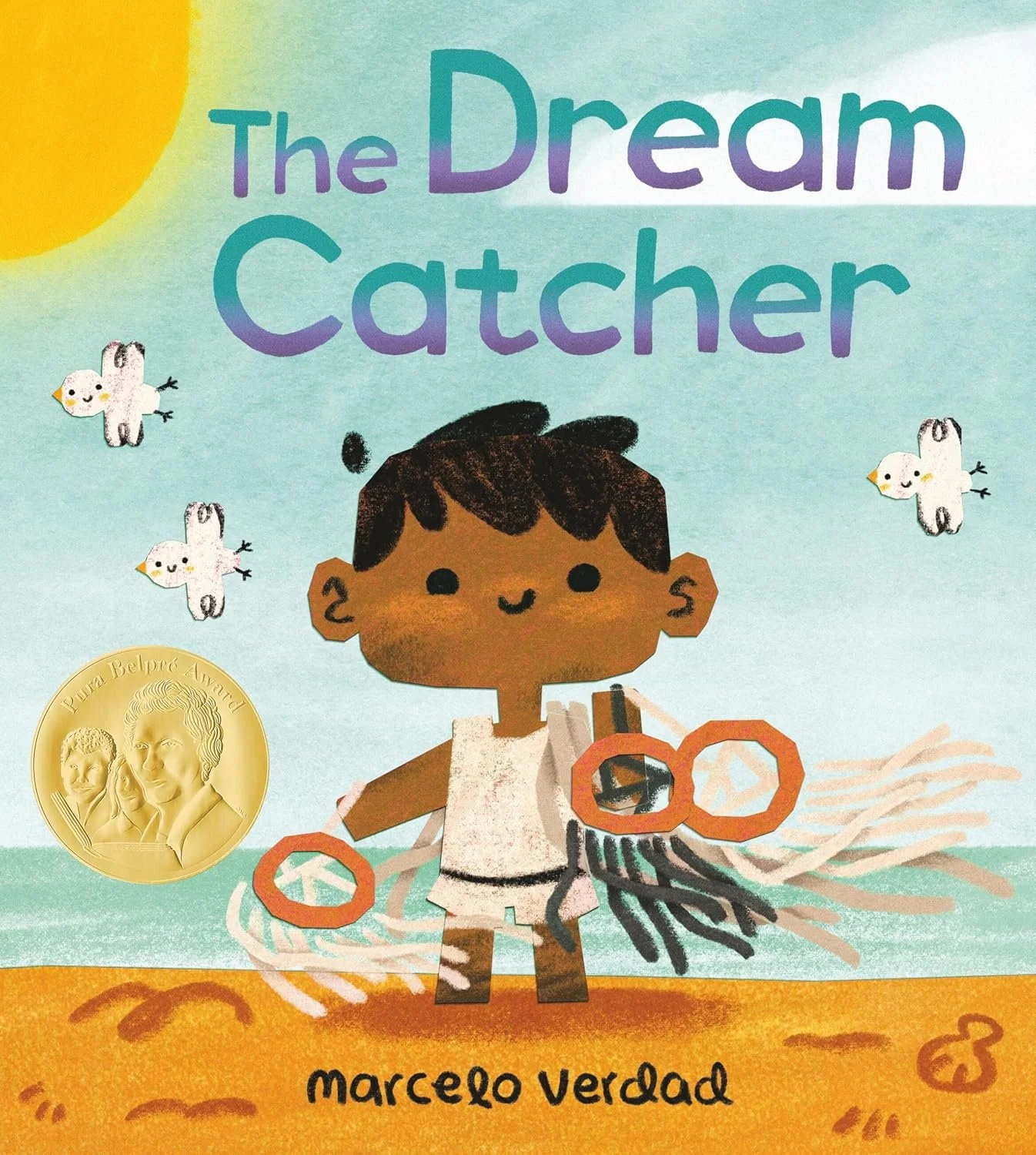
The Dream Catcher follows young Miguel as he and his abuelito sell cold coconuts and handmade dream catchers on a sunny Oaxacan beach. Miguel dreams of reuniting with his parents and wonders whether dreams really come true, while Abuelito gently teaches him the value of the present moment. The book celebrates hope, resilience, and the beauty of being together even when life is uncertain.
Recommended Questions:
How does working with his grandfather teach Miguel about earning money and responsibility?
What sacrifices might Miguel have to make in order to save for his dream?
Why might some families need to focus on immediate needs rather than long-term dreams?
Can something be both a want and feel like a need? Why or why not?
What does Grandpa’s response reveal about what he values most in life?
How does the relationship between Miguel and his grandfather show love and respect?
How does the story help you think about the difference between hoping for something and appreciating what you have now?
Why is it important to respect that different people dream about different things?
If you had a dream catcher, what would you dream of—and why?
NCSS Theme 7: Production, Distribution and Consumption
This book outlines how Miguel and his grandfather sell coconuts and handmade dream catchers to earn money. Their small business illustrates how goods are produced (making dream catchers), distributed (selling them on the beach), and consumed (purchased by visitors). The story allows students to explore how families participate in economic systems, how income is earned, and how economic activity connects to personal goals—while also reflecting on how financial success and emotional fulfillment are not always the same.
Social Justice Anchor Standard 4: Healthy self-esteem
In The Dream Catcher, Miguel learns to hold onto his dreams while also recognizing that others may dream of very different things, such as food or security. His grandfather models contentment, gratitude, and love, showing that self-worth does not depend only on money or status. The story encourages students to feel proud of their own goals and identities while respecting the dignity, struggles, and aspirations of others.
WA Economics 1: Understands that people have to make choices between wants and needs
In The Dream Catcher, Miguel and his grandfather earn money by selling coconuts and handmade dream catchers, showing how families generate income. The boy carefully saves his earnings for a plane ticket, demonstrating goal-setting and financial decision-making. At the same time, he reflects on how others might simply dream of having enough food for tomorrow, revealing an understanding of the difference between wants and basic needs and showing thoughtful awareness of economic inequality.
