The Interpreter
Book Summary:
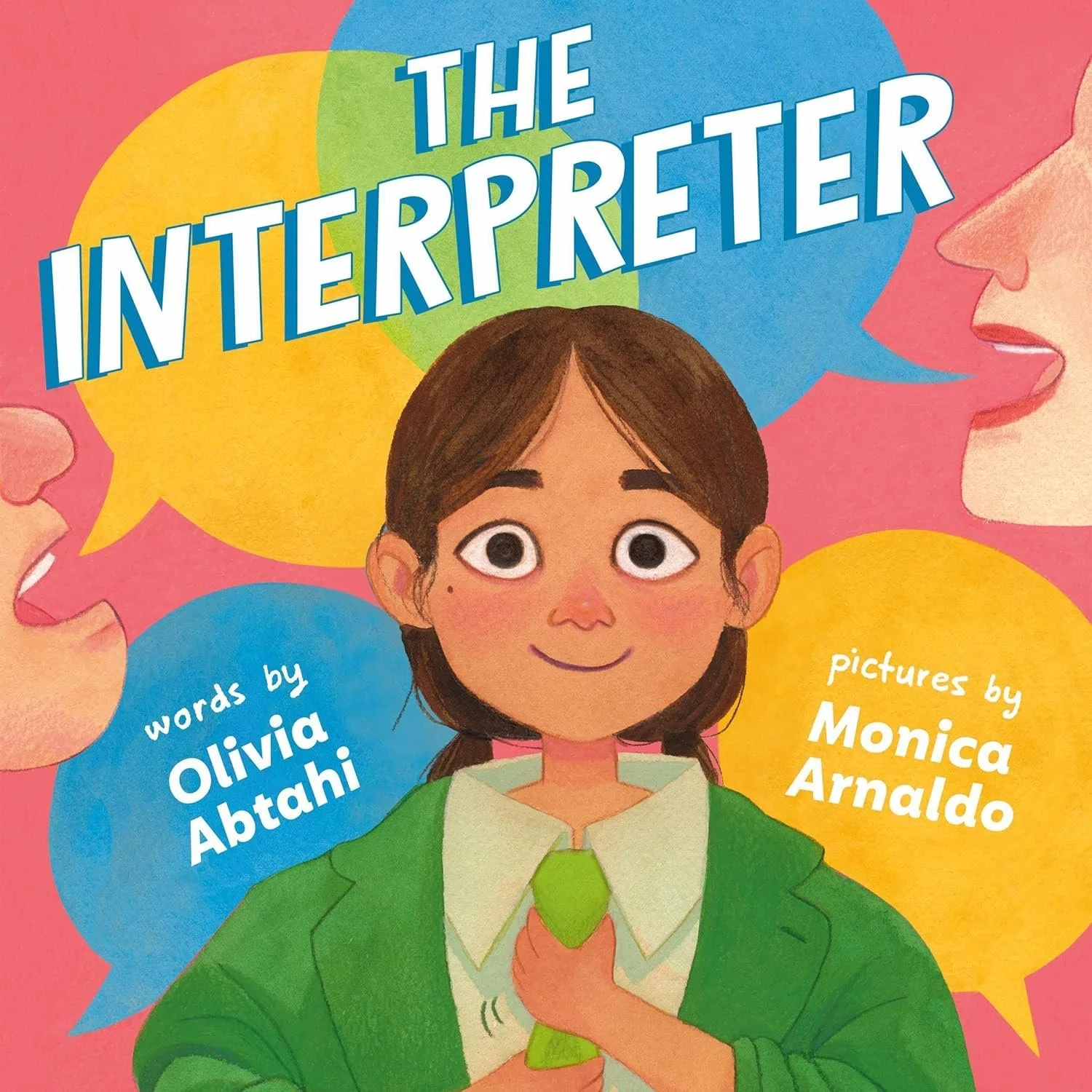
The Interpreter follows a young girl who often translates English for her immigrant parents in everyday situations like school meetings and doctor visits. While she takes pride in helping her family, she also feels the pressure of carrying adult responsibilities. The story highlights the experiences of children who serve as language interpreters and explores themes of family, identity, and belonging.
Recommended Questions:
What challenges might children face when they translate for adults in their families?
What strengths or skills does Cecilia develop through interpreting?
At the hair salon, Cecilia chooses not to translate what the stylist says. Why do you think she makes that decision? What might that moment reveal about how she is feeling?
What responsibilities do schools, hospitals, and other institutions have to support people who speak different languages?
Why might relying on children as interpreters sometimes be difficult or unfair?
What solutions could communities create to better support families who need translation services?How does Cecilia communicate her feelings with her family? Would you suggest any changes to how she shares her concerns?
Why is it important for Cecilia to express these feelings?
How does Cecilia’s family show their support and understanding?
NCSS Theme 4: Individual Development and Identity
The story focuses on how the main character’s identity is shaped by her role as a translator for her family. Navigating between languages and cultures influences how she sees herself and her responsibilities. The book helps students understand how family, culture, and social experiences contribute to personal identity.
Social Justice Anchor Standard 2: Membership to multiple identity groups
The main character’s experience reflects the reality of many children growing up in multilingual immigrant families. The book validates bilingual and bicultural identities while highlighting both the strengths and challenges of navigating multiple cultures. It encourages students to appreciate linguistic diversity and recognize how language connects families and communities.
WA Social Studies Skills 3: Deliberates on public issues
The Interpreter invites discussion about language access, immigration experiences, and fairness in public services such as schools and healthcare. Students can deliberate questions about how communities should support families who speak different languages and what responsibilities institutions have to ensure clear communication. The story provides an opportunity to discuss real-world issues affecting multilingual communities.
