The Year We Learned to Fly
Book Summary:
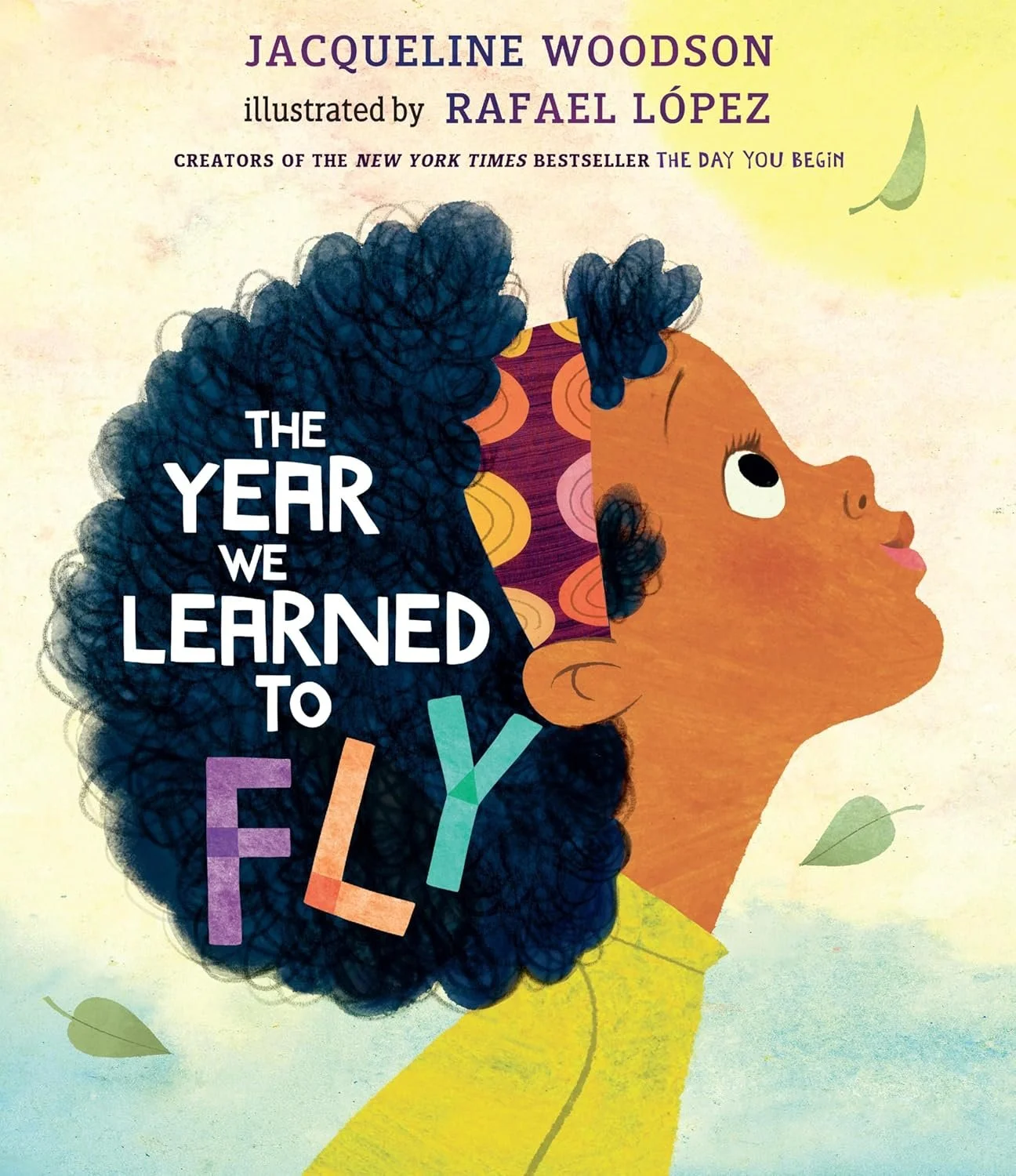
The Year We Learned to Fly tells the story of a brother and sister who learn to use their imagination and inner strength to rise above challenging circumstances. Encouraged by their grandmother’s wisdom, they “fly” in their minds to find hope, courage, and freedom when they feel stuck or frustrated. Drawing inspiration from the spirit of their ancestors who dreamed of freedom during slavery, the story celebrates resilience, creativity, and the power of imagination to overcome hardship.
Recommended Questions:
What do you think Jacqueline Woodson means by “flying”? How do words and imagination help the characters — and perhaps the author — learn to fly?
How did the grandmother learn to “fly”? Why do you think she chooses to share what she learned with her grandchildren? In what ways do her words help them?
Does “flying” mean the same thing for everyone? How do the boy and girl in the story learn to fly in their own ways? How do you learn to fly in your life?
Grandmother tells how their ancestors learned to fly and passed that wisdom down through generations. What have you learned from your own ancestors or family members? What lessons do you hope to pass on to the next generation?
Why is it important for each generation to retell and reinterpret stories of strength and freedom? How can stories help people remember, heal, and imagine a better future?
In the author’s note, Jacqueline Woodson explains that she was inspired by The People Could Fly: American Black Folktales by Virginia Hamilton. Read the following quotes and discuss how these ideas appear in Woodson’s story:
“They say the people could fly. Say that long ago in Africa, some of the people knew magic.”
“They say the children of the ones who could not fly told their children. And now you know it too.”
Standards:
NCSS Theme 4: Individual Development and Identity
This book aligns with Theme 4 because it explores how imagination, heritage, and self-understanding help children develop resilience and confidence. The grandmother’s guidance helps the children connect their personal struggles to a collective history of strength, shaping their sense of identity and belonging.
Social Justice Anchor Standard 6: Valuing Diversity
The story encourages children to see their heritage and imagination as sources of empowerment. It teaches students to embrace who they are and draw strength from their cultural history while recognizing the shared humanity in others.
WA History 4: Understand how historical events. inform analysis if contemporary issues and events
The story links the children’s imaginative “flight” to the historical resilience of enslaved Africans who dreamed of freedom. By connecting past struggles for liberation to present-day perseverance, the book helps students understand how history continues to shape identity and hope.
