Outside, Inside
Book Summary:
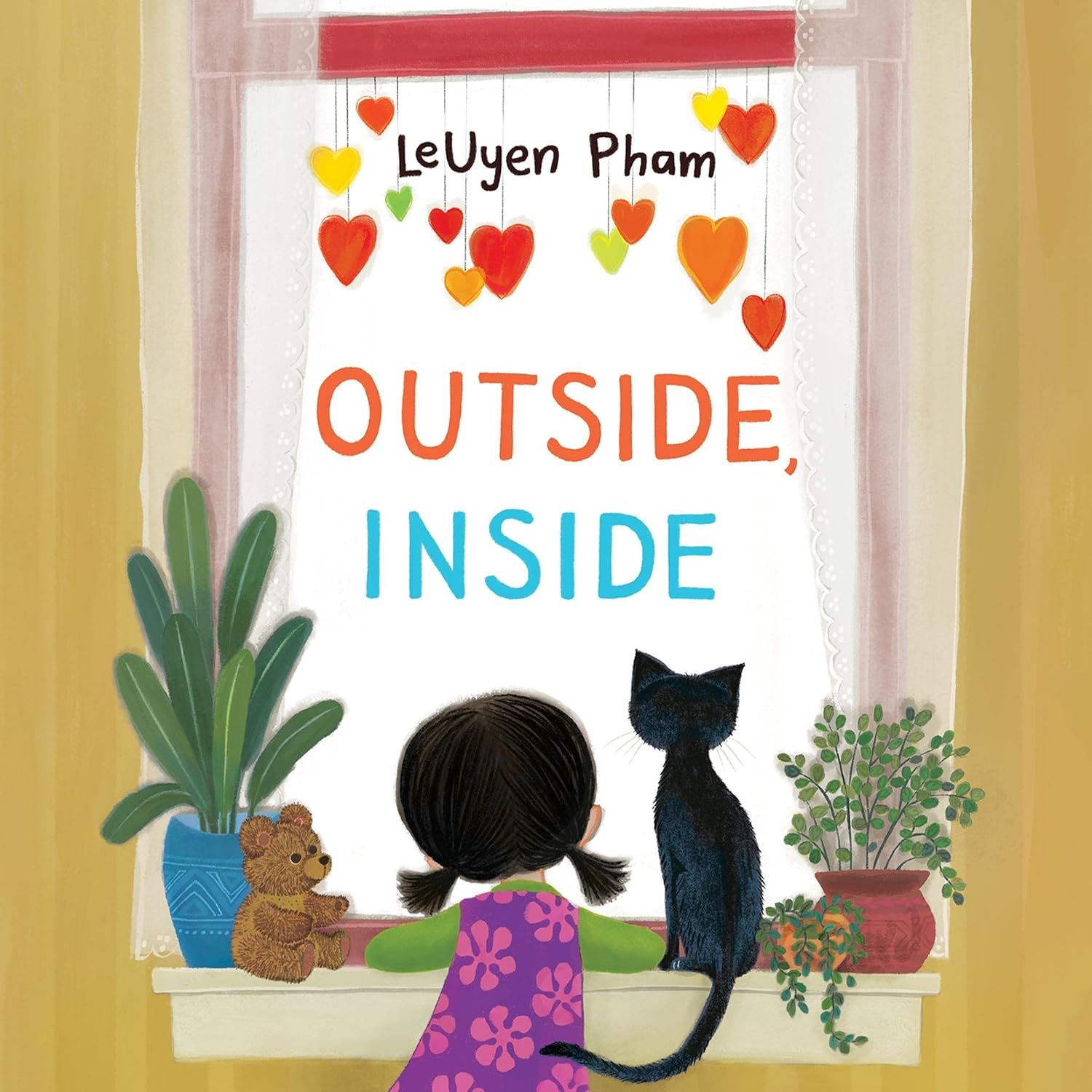
Inside,Outside explores a young child’s experience during the COVID-19 pandemic, navigating life between the safety of home and the uncertainty of the outside world. The story reflects on emotions such as fear, curiosity, and hope, while showing how routines, family, and small moments of connection help children cope. Through illustrations and text, the book captures the balance between isolation and engagement with the world, highlighting resilience and adaptability.
Recommended Questions:
How did the child feel when moving between being “inside” and “outside”? How do these feelings change throughout the story?
How do routines and family support help children cope with uncertainty or isolation? Can you give examples from the book?
How does the book show resilience and adaptability during challenging times? What moments or actions demonstrate this?
What rules or guidance did families have to follow during the pandemic? How were these rules helpful, and how were they difficult?
How might people in different communities or countries experience the pandemic differently?
How does this book show the different ways the pandemic impacted various individuals and families?
On pages 18–19, what do you think the phrases “there were fences both real and pretend,” “shared words without sounds,” and “reached each other without touching” mean? How do these images reflect the experience of isolation?
What do you think the author means when she says, “going inside was the right thing to do”? What evidence from the story supports this idea?
NCSS Theme 4: Individual Development and Identity
This book examines how children’s experiences and emotions shape their understanding of themselves and their environment. The story highlights how young people adapt to changing circumstances, reflect on their feelings, and navigate challenges to develop self-awareness and emotional resilience. Students can connect their own experiences to the narrative, considering how identity and coping strategies emerge in response to real-world events.
Social Justice Anchor Standard 12: Injustice as individual and institutions
The book shows how children and families faced both personal and systemic challenges during the pandemic, such as limitations on schooling, access to outdoor spaces, and unequal health risks. Students can examine how rules and circumstances affected people differently and consider ways to support fairness and equity in communities. The story encourages reflection on empathy, inclusion, and recognizing when individuals or institutions create obstacles that affect well-being.
WA Social Studies Skills 1: Uses critical reasoning skills to analyze and evaluate claims
Inside,Outside encourages students to think critically about information and guidance they received during the pandemic. Children can analyze how decisions about safety, health, and community behaviors were made, and evaluate what was fair, reasonable, or helpful. The story provides a framework for students to reflect on evidence, perspective, and decision-making in personal and societal contexts.
